
Stiffness & sports elbow
Elbow Arthroscopy in Ahmedabad, Gujarat
The elbow is unforgiving: it stiffens quickly after injury and reacts badly to overuse. Arthroscopy allows loose bodies, scar tissue and inflamed tissue to be removed without opening the joint, restoring the movement you need to eat, work and lift.
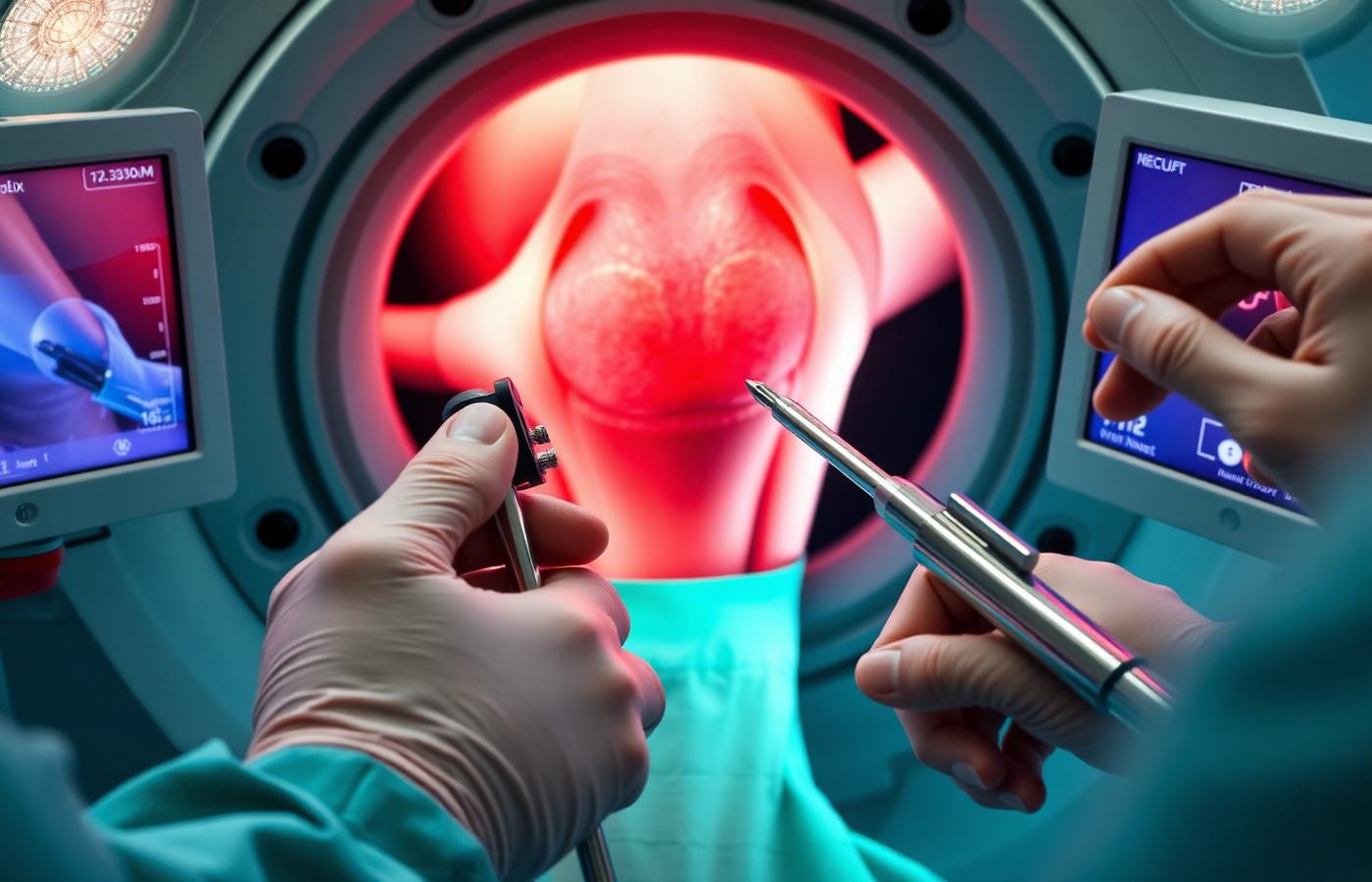
- Release of post-traumatic stiffness
- Arthroscopic treatment for resistant tennis elbow
- Removal of loose bodies and osteophytes
- Early motion protocol from day one
Conditions treated
- Tennis elbow (lateral epicondylitis) not responding to 6+ months of treatment
- Golfer's elbow and thrower's valgus overload
- Post-traumatic stiffness and contracture after a healed fracture
- Loose bodies causing locking and catching
- Early elbow arthritis with painful terminal extension
Why keyhole matters at the elbow
Open elbow surgery risks further scarring, and scar tissue is exactly what limits elbow movement. Arthroscopy avoids large exposures, allowing physiotherapy to begin within 24 hours while the joint is still supple.
Recovery
A sling is used only for comfort. Active movement begins immediately; grip strengthening follows at three to four weeks and most manual workers return between six and ten weeks.
Patients from Gandhinagar, Nadiad and other parts of Gujarat with resistant tennis elbow are typically referred here after six months of unsuccessful conservative treatment elsewhere.
Frequently asked questions
When does tennis elbow need surgery?
Only when pain persists beyond six months despite bracing, physiotherapy, activity change and one or two injections - which applies to a small minority of patients.
Can a stiff elbow become normal again?
Arthroscopic release usually restores a functional arc of movement. The final range depends on how long the stiffness has been present and how consistently you do physiotherapy.
Is nerve injury a risk?
The nerves around the elbow are respected using safe portal placement and careful technique; complication rates in experienced hands are low.